
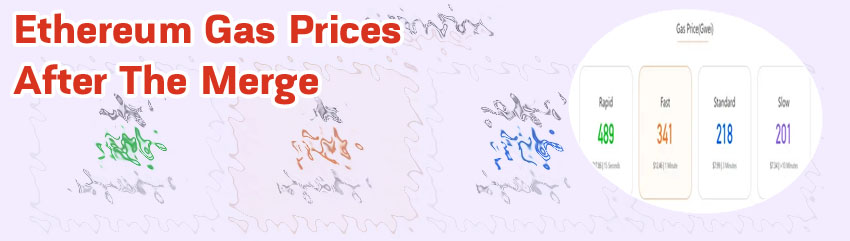
When are gas fees lowest eth
Gas fees on the Ethereum network can vary greatly depending on network congestion and demand. Many users are looking for ways to save on gas fees when making transactions. To help address this issue, here are three articles that provide tips and strategies on how to find the lowest gas fees on the Ethereum network.
3 Strategies to Minimize Gas Fees on the Ethereum Network
As Ethereum continues to gain popularity, gas fees have become a major concern for users on the network. Gas fees refer to the cost of making transactions and executing smart contracts on the Ethereum blockchain. High gas fees can make it expensive to interact with the network, causing frustration among users.
To minimize gas fees on the Ethereum network, there are several strategies that users can implement. One effective strategy is to choose the right time to make transactions. Gas fees tend to fluctuate depending on network congestion, so users can save money by transacting during off-peak hours when fees are lower.
Another strategy is to use layer 2 solutions like Loopring and Optimism. These solutions help to offload some of the network's burden, reducing the amount of gas required for transactions. By utilizing layer 2 solutions, users can significantly cut down on gas fees and improve the efficiency of their interactions on the network.
Lastly, users can also consider batching transactions to save on gas fees. By combining multiple transactions into a single batch, users can reduce the overall cost of gas fees per transaction, making it more cost-effective to interact with the Ethereum network.
In conclusion, minimizing gas fees on the Ethereum network is crucial for users looking to optimize their experience and reduce transaction costs. By implementing strategies such as
Best Times to Transact on Ethereum to Pay the Lowest Gas Fees
Ethereum gas fees have been a major concern for many users of the platform, with costs often fluctuating wildly depending on network congestion. To avoid paying exorbitant fees, it is crucial to time your transactions strategically. One key factor to consider is the time of day when you make your transaction.
Typically, gas fees on the Ethereum network tend to be lower during off-peak hours when there is less activity. These quieter periods are usually late at night or early in the morning when users in different time zones are less active. By submitting your transactions during these times, you can potentially save a significant amount on gas fees.
Another important consideration is to monitor network activity and gas prices using tools like GasNow or Etherscan. These resources can provide real-time data on gas fees, allowing you to make informed decisions about when to transact. Additionally, be mindful of major events like token launches or popular decentralized finance (DeFi) projects going live, as these can cause spikes in gas fees.
For traders, developers, and anyone regularly interacting with the Ethereum network, understanding the best times to transact can lead to substantial savings in gas fees. By taking advantage of lower activity periods and staying informed about gas prices, users can optimize their transactions and minimize costs effectively
How to Use Gas Fee Trackers to Optimize Your Ethereum Transactions
none